
What If Art Was Part of Your Wellbeing Strategy?
The conversation around health and wellbeing is changing.
For years, the focus has been on treating illness. Today, governments, healthcare leaders and researchers are increasingly asking a different question: how can we help people stay well in the first place?
Recent reporting in The Art Newspaper suggests that momentum is building internationally, with Wales and Greece among the latest countries exploring how arts and culture can be embedded within health systems as part of a preventative approach to wellbeing. [TheArtNewspaper]
The evidence is growing.
The World Health Organisation continues to highlight the role of arts engagement in health promotion, disease prevention and improved wellbeing. Major international research programmes are investigating the impact of creative participation on physical and mental health outcomes. [usaartnews.com], [wahwn.cymru]
But perhaps we are asking the wrong question.
Rather than asking whether creativity belongs in healthcare, perhaps we should also be asking whether it belongs in the workplace.
After all, work is where many of us spend most of our waking hours.
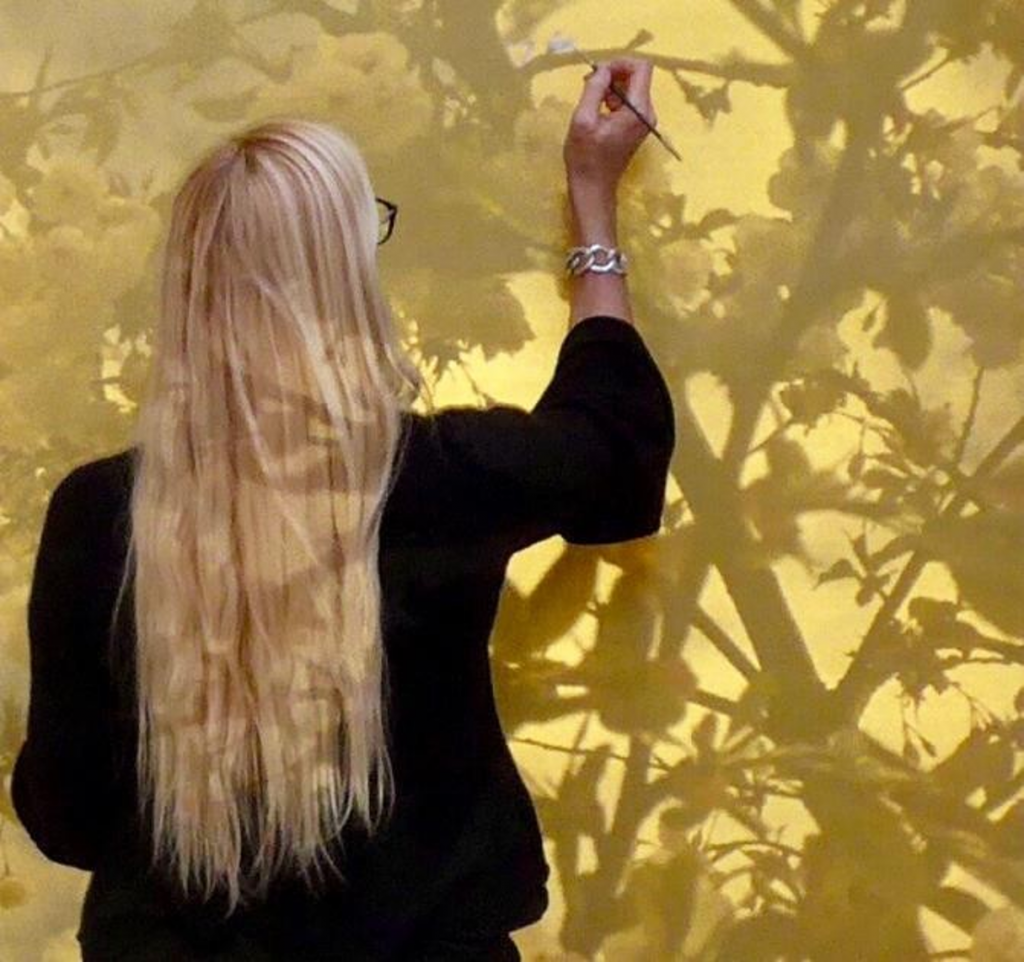
The Workplace Wellbeing Challenge
The case for investing in wellbeing has never been stronger.
According to recent UK research, ill health is estimated to cost the UK economy around £150 billion annually. More than 2.8 million people are economically inactive because of long term health conditions. [cipd.org], [bupa.co.uk]
Research also shows that many employees continue to struggle with workplace pressure and burnout. In one recent UK survey, 39% of respondents reported often or always feeling burnt out, while 50% said their mental health had affected their productivity over the previous year. [Westfield Health]
Globally, employee engagement remains a significant challenge. Gallup reports that only 20% of employees worldwide are actively engaged at work. Engaged employees, however, are associated with higher wellbeing, lower absenteeism and stronger productivity. [gallup.com]
For organisations investing heavily in attracting and retaining talent, these figures matter.
They remind us that wellbeing is not simply an HR initiative. It is a business imperative.
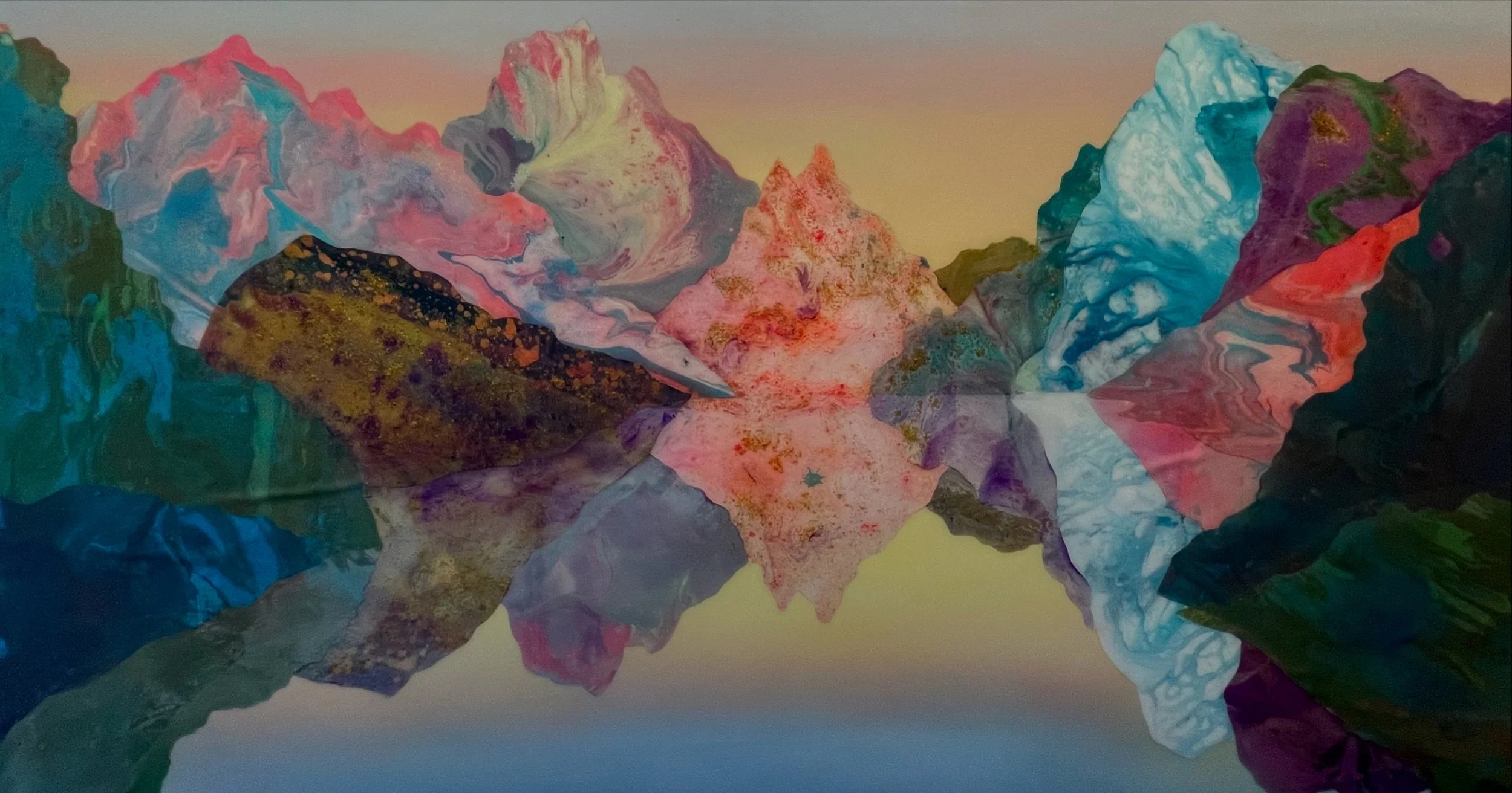
Creativity as a Workplace Asset
This is where art enters the conversation…..
At Art Acumen, we have long believed that art brings far more value than visual impact alone. When thoughtfully integrated into a workplace, it becomes a catalyst for conversation, curiosity, connection and shared experience.
Increasingly, our clients are recognising this too. What is particularly encouraging is that these programmes are no longer seen as peripheral activities. They are becoming part of wider conversations around workplace culture, employee engagement and wellbeing.
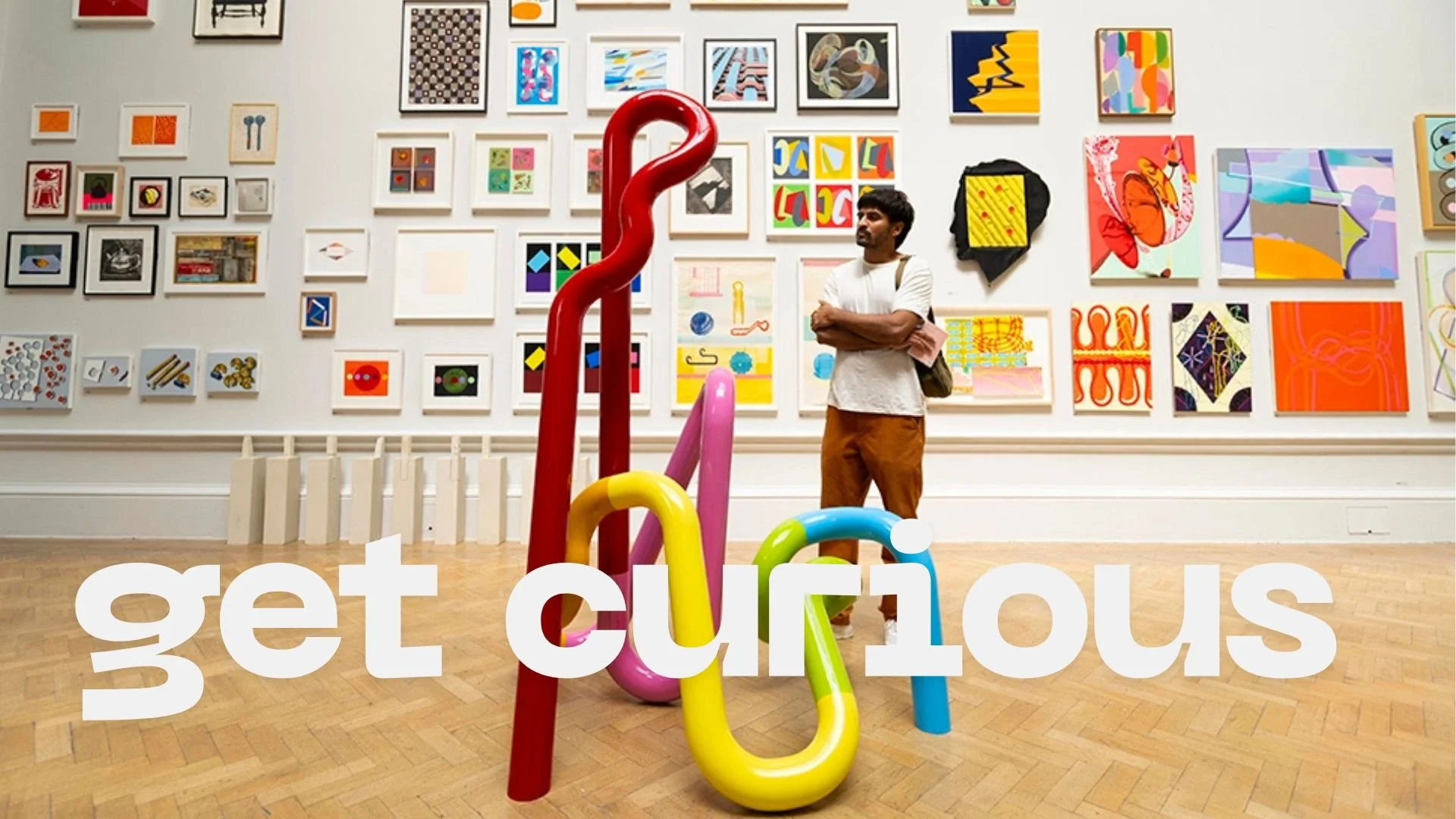
At Freshfields, the annual Works on Paper exhibition programme extends across eleven floors and features more than ninety artworks exploring themes including climate change, diversity, cultural evolution and digital transformation. The programme is designed to encourage reflection, dialogue and engagement among employees.
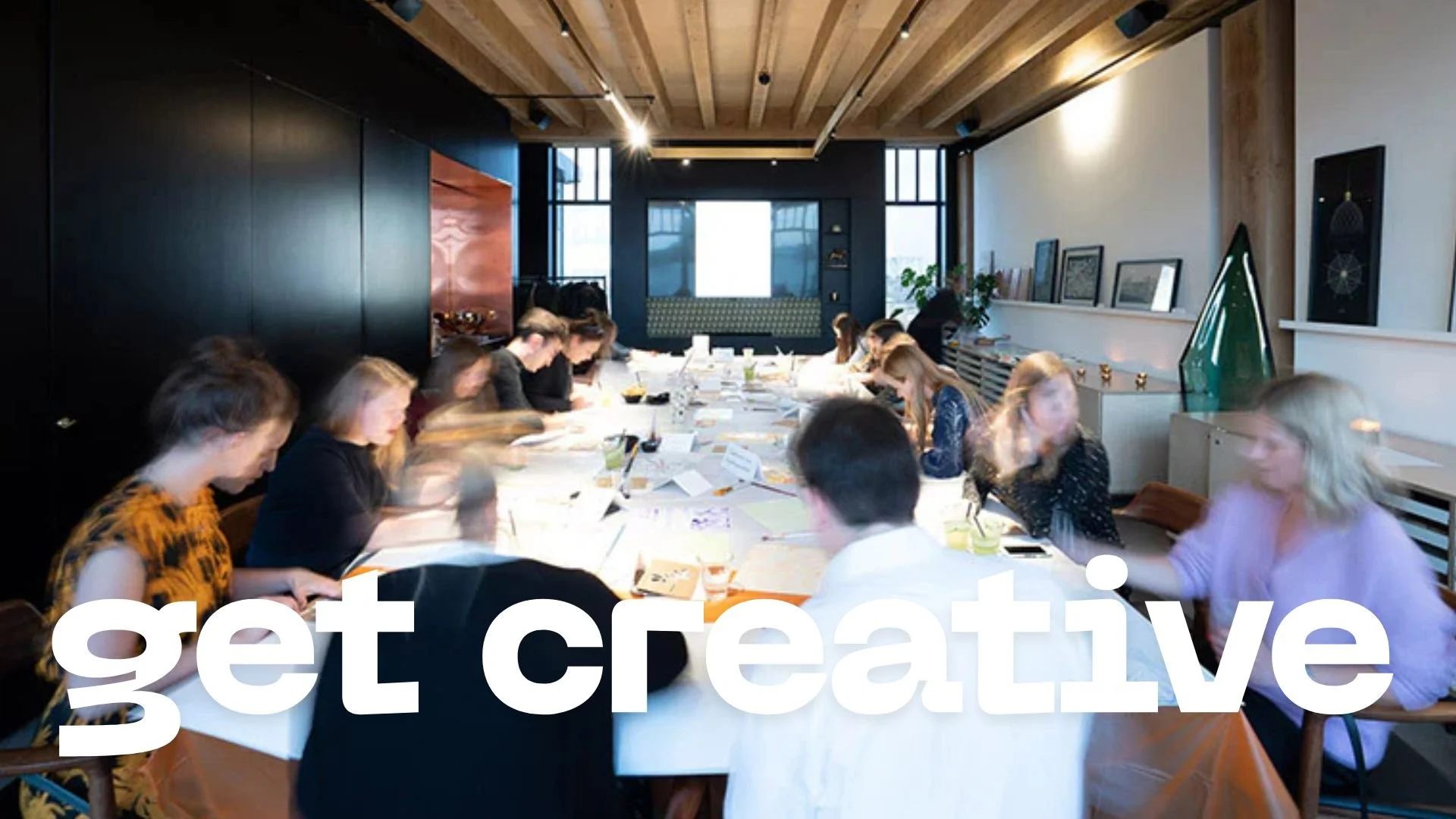
RPC has embraced creative activation through collaborative artist led workshops. One recent drawing session encouraged colleagues to work collectively, creating opportunities for networking, relationship building and meaningful conversation away from traditional meeting formats. Participants described the experience as highly effective in strengthening connections across the organisation.
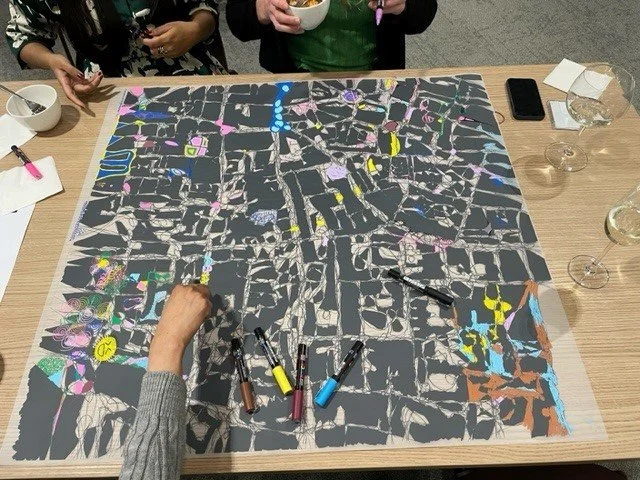
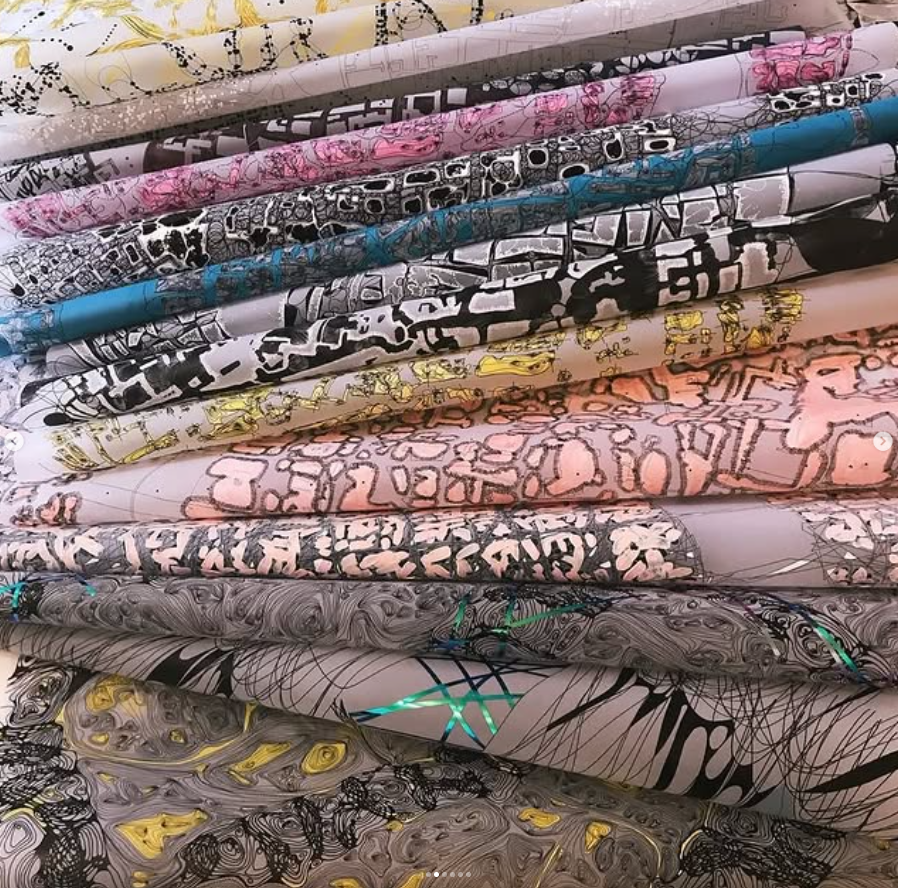
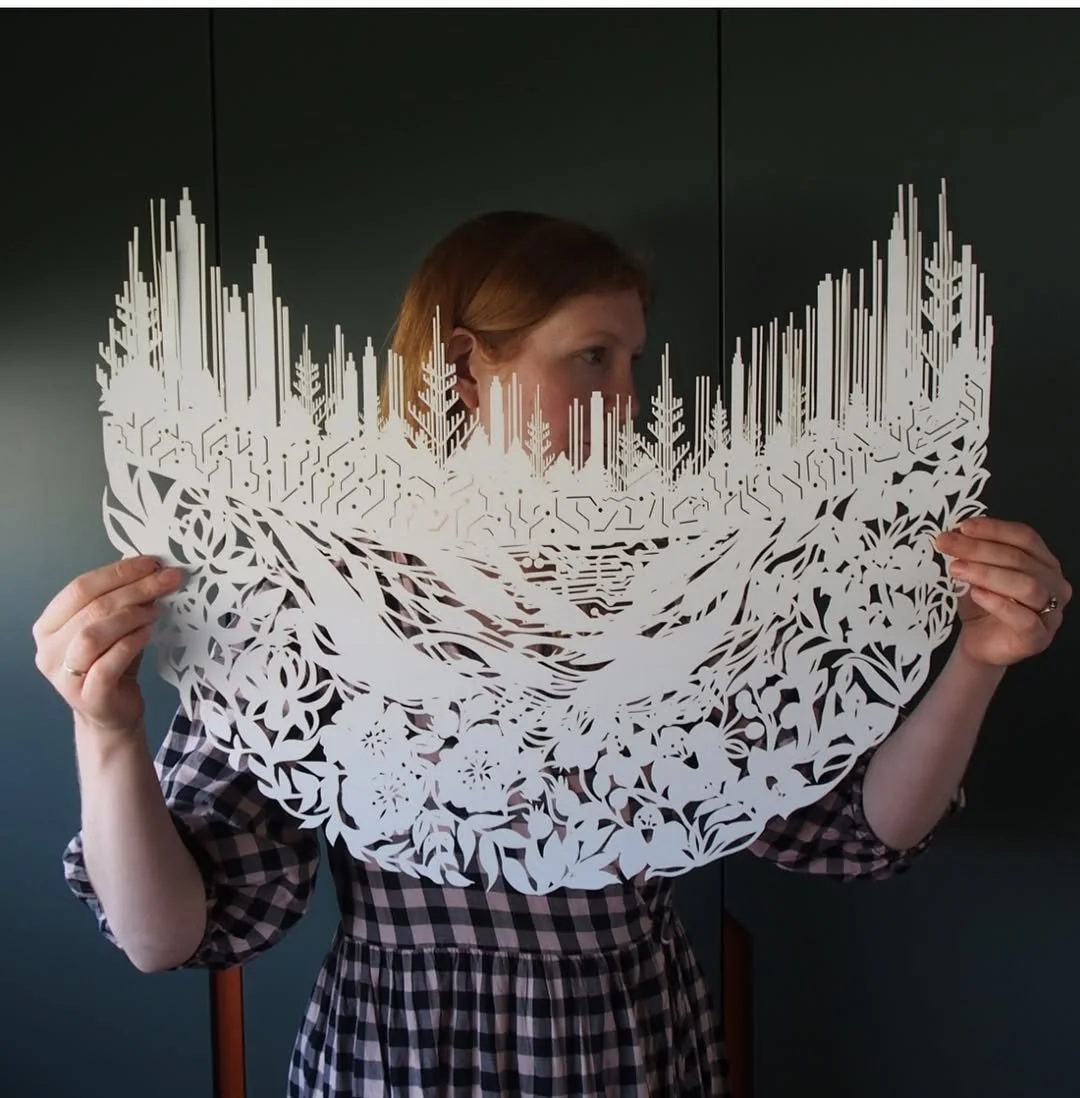
At Osborne Clarke, we took a different approach. Developed to reflect the firm's transition to Halo, one of the UK's most sustainable office environments, The Decarbonisation Journey translated organisational commitments around sustainability, decarbonisation and future focused transformation into a shared creative experience.
At the heart of the project was a co-created poem, shaped through conversations, workshops and contributions from colleagues across the organisation. These collective reflections were then brought to life through a commissioned artwork by acclaimed illustrator and papercut artist Sarah Dennis, creating a powerful visual response to shared ideas, values and aspirations.
The project demonstrates how art can act as a bridge between strategy and culture, translating complex sustainability ambitions into something tangible, accessible and deeply human. By combining employee participation with commissioned contemporary art, it moved beyond a traditional workplace art programme to create something emotionally engaging, inclusive and enduring.
The response from employees was overwhelmingly positive. Participants valued the opportunity to contribute to something bigger than themselves and spoke about the sense of connection that emerged through the process. As individual perspectives came together, people recognised shared hopes, common concerns and collective actions. The project reinforced organisational identity, strengthened a sense of purpose and belonging, and demonstrated how creativity can support engagement, culture and wellbeing in meaningful and lasting ways.
Five Ways Organisations Can Integrate Art Into the Workplace
The most effective art programmes move beyond simply hanging artwork on walls.
They create opportunities for participation, discovery, meaningful engagement and connection.
Organisations might consider:
Temporary exhibitions that regularly refresh spaces and encourage employees back into the office.
Artist talks and creative conversations that introduce new perspectives and stimulate discussion.
Lunch time creative sessions that offer employees a meaningful break from screens and meetings.
After work cultural events that support networking, social bonding and relationship building.
Interactive commissions and participatory projects that invite employees to contribute to the cultural identity of their workplace.
When approached strategically, these initiatives can help transform offices into destinations rather than obligations.
Looking Ahead
The growing interest in creative health should not surprise us.
Creativity has always played a role in how humans process, connect, learn and heal. What is changing is that policymakers, healthcare leaders and employers are beginning to recognise its value with greater confidence and intention.
The future of wellbeing will not be shaped by healthcare systems alone. It will also be shaped by the environments where we work, collaborate and spend our time. For forward thinking organisations, the opportunity is clear. Art is no longer simply about aesthetics. It can be a powerful tool for wellbeing, engagement, culture and connection.
The question is not whether organisations can afford to invest in creativity.
In a world where burnout, disengagement and isolation continue to challenge workplaces, perhaps the more important question is whether they can afford not to.
Perhaps it is time for more organisations to ask a simple question:
How might creativity help our people thrive?