Creating Space for Focus
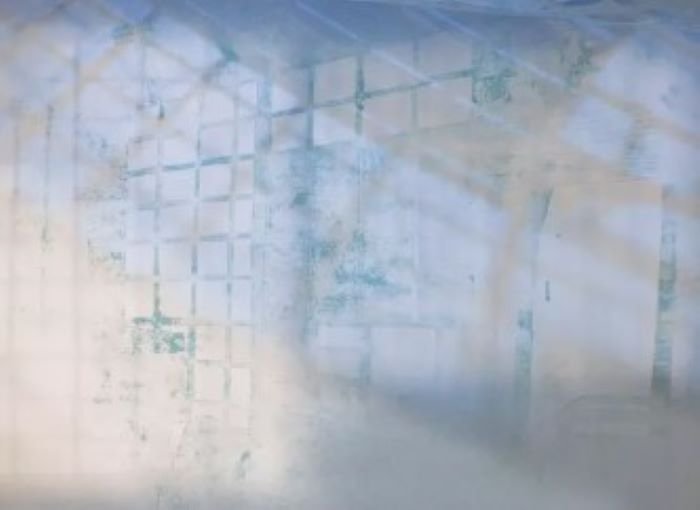
Recent workplace research from Leesman challenges the assumption that today's office should be designed primarily around collaboration. While collaborative spaces remain important, the data shows that the majority of employees still spend a substantial proportion of their working lives undertaking focused, individual work.
This presents an opportunity to think differently about the role of art in the workplace. At Art Acumen, we believe art programmes should support the full spectrum of employee experience. Carefully selected artworks can help create calm, restorative environments that aid concentration, reduce visual stress and provide moments of reflection, while other collections can stimulate interaction, creativity and social connection in more collaborative settings. Research into the effects of viewing visual art has also found promising evidence that it can contribute to reduced stress and enhanced wellbeing, reinforcing the value of art as more than simply a decorative addition to the workplace.

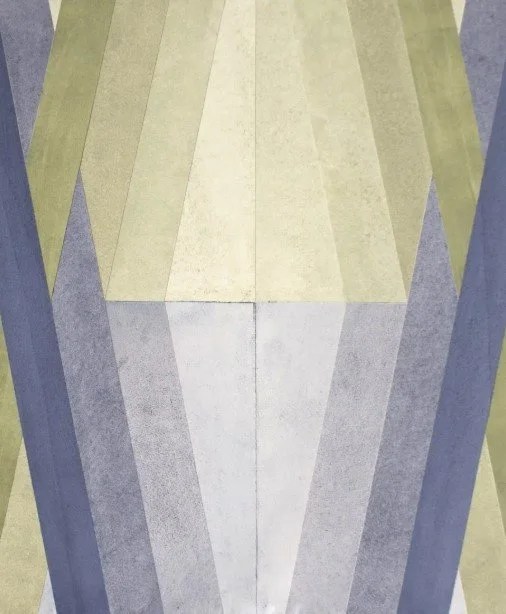
As organisations seek to balance focus and collaboration, art can become a powerful workplace tool, helping to shape distinct zones, influence atmosphere and ensure that every space is designed around how people actually work, rather than how we assume they work. Abstract artworks are particularly effective in supporting focused work environments. Through the thoughtful use of shape, colour and light, they can create calm, visually comfortable settings that promote concentration and wellbeing, providing a subtle and engaging backdrop without the distraction of highly detailed or literal imagery. Research has shown that colour can have a significant influence on emotional response, with cooler palettes often associated with calmer and more contemplative states, making abstract works especially well suited to spaces designed for focused work.
At the same time, Art Acumen has seen great success curating story-led art programmes for meeting rooms and other collaborative spaces. These collections can add character and meaning to the workplace, nurturing curiosity, creativity and deeper engagement with the environment, while helping organisations create spaces that support a diverse range of working styles.
Ultimately, if the workplace is to support the full spectrum of modern work, its art should do the same. From abstract works that create calm, restorative settings for focused tasks to story-led collections that enrich collaborative spaces, art can be a powerful contributor to workplace wellbeing. When thoughtfully curated, it helps transform offices from places people simply work in, into environments where they can genuinely thrive.